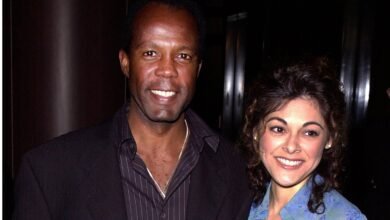
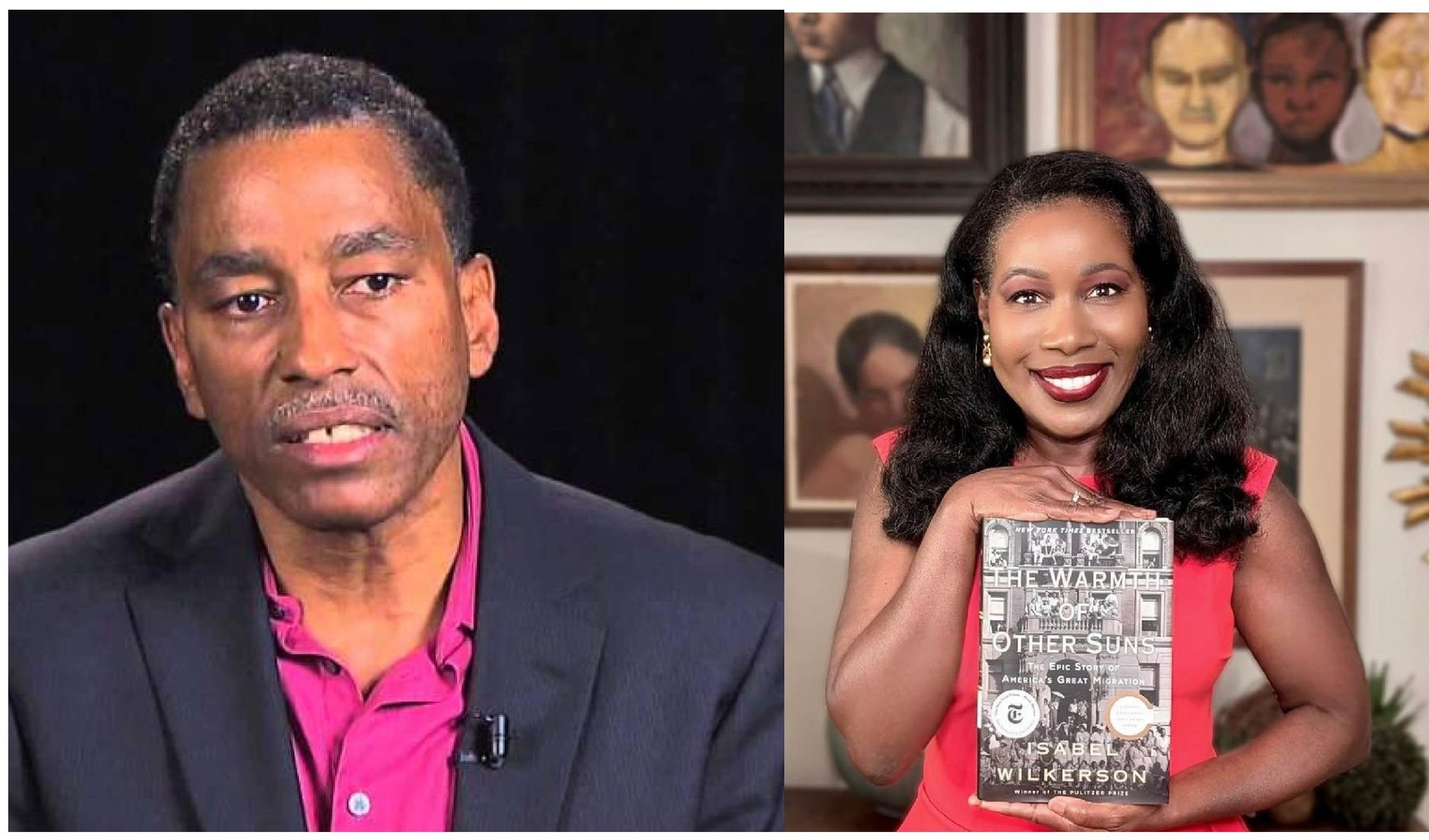

Roderick Jeffrey Watts is an American psychologist, professor, researcher, and educator whose work connects psychology with social justice. He has spent much of his academic career studying race, identity, youth development, community action, and inequality. His research looks at how social conditions can shape the way people understand themselves and the world around them. Watts is also widely searched because of his connection to Pulitzer Prize-winning author Isabel Wilkerson. However, his long career in psychology gives him an important professional identity of his own.
Quick Facts
| Personal Detail | Information |
|---|---|
| Full Name | Roderick Jeffrey Watts |
| Also Known As | Roderick J. Watts |
| Gender | Male |
| Nationality | American |
| Profession | Psychologist, Professor, Researcher |
| Field | Psychology |
| Education | Ph.D. in Psychology |
| University | University of Maryland |
| Academic Focus | Critical Social/Personality Psychology |
| Known For | Social justice, liberation psychology, youth development, racial identity |
| Research Interests | Youth activism, civic engagement, African American identity, men’s development |
| Academic Connection | CUNY Graduate Center |
| Former Spouse | Isabel Wilkerson |
| Marriage Year | 1989 |
| Marriage Location | Fort Washington, Maryland |
| Children | Not publicly confirmed |
| Date of Birth | Not publicly confirmed |
| Age | Not publicly confirmed |
| Net Worth | Not publicly confirmed |
| Current Status | No reliable evidence found supporting online claims that he died in 2015 |
Who Is Roderick Jeffrey Watts?
Roderick Jeffrey Watts, professionally known as Roderick J. Watts, is a psychologist whose main interests include social justice, liberation psychology, racial identity, and youth development. His work pays special attention to African American communities and the experiences of young people facing social inequality. Rather than studying human behavior only at an individual level, Watts considers the influence of communities, culture, power, and social systems. His professional profile also lists youth activism, civic engagement, African American men’s development, and action research among his major research interests.
Early Life and Family Background
Details about Roderick Jeffrey Watts’ childhood and family are limited in reliable public records. Competitor biographies provide different stories about his parents and upbringing, but many of these details are not supported by clear primary sources. For this reason, information about his parents, siblings, birthplace, and childhood should be treated carefully. What is much better documented is his later professional interest in African American identity, social inequality, community life, and men’s development. Watts has generally kept his personal background separate from his public academic career.
Education and Academic Training
Roderick Jeffrey Watts received his Ph.D. in psychology from the University of Maryland. His academic training helped prepare him for a career examining both individual development and wider social conditions. His work became closely connected with community psychology and critical approaches to understanding human behavior. Instead of viewing psychological problems separately from society, Watts became interested in the ways culture, racism, inequality, identity, and access to power can affect people. This approach later became an important part of his research, teaching, and community-focused professional work.
Career as a Psychologist and Professor
Watts built a long academic career as a psychologist, researcher, and professor. He has been associated with university teaching as well as research focused on social identity and community development. Pacifica Graduate Institute identifies him as a professor of psychology at the City University of New York Graduate Center. His professional interests have included youth civic engagement, liberation psychology, African American men’s development, and social identity. Through these areas, Watts has helped connect traditional psychological study with questions about power, culture, community participation, and the challenges faced by marginalized groups.
Research in Community Psychology and Social Justice
A major part of Watts’ work examines the connection between psychology and social justice. His research considers how people understand inequality and how that understanding can lead to meaningful social action. He has explored topics such as oppression, racial identity, liberation psychology, and sociopolitical development. Watts is particularly interested in how young people develop awareness of the social and political forces affecting their lives. His approach shows that psychology can study more than individual thoughts and emotions; it can also examine communities, unequal systems, and collective efforts to create change.
Work With Youth and Community Empowerment
Youth development has been one of the strongest themes in Roderick Jeffrey Watts’ professional work. His research interests include youth sociopolitical development, activism, community organizing, and civic engagement. These subjects examine how young people learn about social problems and develop the confidence to participate in their communities. Watts has also focused on African American cultural and racial identity and the development of African American men. His work emphasizes helping young people understand their experiences while recognizing that they can take meaningful action within their communities and wider society.
Major Publications and Academic Contributions
Roderick Jeffrey Watts has contributed to academic discussions about identity, oppression, human diversity, youth development, and social change. Competitor articles frequently connect him with Human Diversity: Perspectives and research concerning empowerment and community psychology. His wider academic work examines how cultural and social forces affect human development. One particularly important theme is sociopolitical development, which looks at how people develop an understanding of power and inequality and become involved in social action. His research has provided useful ideas for psychologists, educators, researchers, and people working with young communities.
Teaching and Mentorship
Teaching has been an important part of Watts’ professional life. His academic roles have allowed him to introduce students to psychology while encouraging them to consider the larger social world around individual behavior. His research interests naturally bring questions of identity, racism, power, activism, and community participation into academic study. Watts’ approach encourages students to think about how psychological knowledge can be useful outside a classroom. Through teaching, research supervision, and professional guidance, he has helped connect academic psychology with practical questions about community well-being, leadership, equality, and positive social change.
Roderick Jeffrey Watts and Isabel Wilkerson’s Marriage
Roderick Jeffrey Watts is often connected online with Pulitzer Prize-winning journalist and author Isabel Wilkerson. However, competitor sources contain conflicting claims about the nature and timeline of their relationship. Some describe Watts as Wilkerson’s current husband, while other reports describe him as a former husband. Because these accounts disagree, claims about their current marital status should not be stated as certain without stronger documentation. What is clear is that their names have been publicly connected, while both built separate professional identities around subjects involving race, society, human experience, and inequality.
Who Is Isabel Wilkerson?
Isabel Wilkerson is an American journalist and author known for writing about race, history, migration, and social hierarchy. She became the first African American woman to win the Pulitzer Prize in journalism. Wilkerson later gained wide recognition as the author of The Warmth of Other Suns, which explores the Great Migration, and Caste: The Origins of Our Discontents, which examines social hierarchy in the United States. Her work combines historical research with personal stories, helping readers understand how large social systems can shape individual lives and experiences.
Personal Life and Privacy
Compared with his academic career, relatively little reliable information is available about Watts’ private life. His exact birth date, age, family relationships, hobbies, and other personal details are not widely documented in strong public sources. Many biography websites provide claims about these subjects, but they do not always agree. Watts is better documented through his university work, research interests, publications, and professional contributions. This makes it important to avoid filling gaps in his biography with assumptions. His public identity is primarily that of a psychologist, educator, researcher, and scholar.
Roderick Jeffrey Watts’ Death
Claims that Roderick Jeffrey Watts died in 2015 appear in some competitor biographies, but they conflict with stronger professional information. Pacifica Graduate Institute currently maintains a faculty profile for Roderick J. Watts and identifies his psychology work and CUNY role. Other recent sources likewise describe him as an active or emeritus academic rather than confirming a 2015 death. Therefore, the claim that Watts died in 2015 should not be presented as established fact. A careful biography should avoid giving a death date unless reliable documentation clearly confirms it.
Conclusion
Roderick Jeffrey Watts’ story is most clearly understood through his professional contributions rather than uncertain personal details found in online biographies. His work brings together psychology, racial identity, youth development, community participation, and social justice. He has explored how people develop awareness of inequality and how that awareness can support meaningful action. His focus on African American identity, young people, civic engagement, and liberation psychology gives his career a clear purpose. Watts’ academic work shows how psychology can help explain both personal development and the wider social conditions surrounding people’s lives.
(FAQs)
Who is Roderick Jeffrey Watts?
Roderick Jeffrey Watts is an American psychologist, professor, and researcher. His academic work focuses on social justice, racial identity, youth development, liberation psychology, civic engagement, and African American men’s development.
What is Roderick Jeffrey Watts known for?
He is known for connecting psychology with social and community issues. His research explores how young people understand inequality, develop social awareness, participate in their communities, and respond to issues involving identity and oppression.
Was Roderick Jeffrey Watts married to Isabel Wilkerson?
Yes. Isabel Wilkerson married Roderick Jeffrey Watts in Fort Washington, Maryland, in 1989. Wilkerson later married Brett Kelly Hamilton in 2009, meaning Watts should be described as her former husband.
Where did Roderick Jeffrey Watts study?
Watts earned a Ph.D. in psychology from the University of Maryland. His academic interests developed around social justice, human diversity, racial identity, youth activism, community organizing, and liberation psychology.
Is Roderick Jeffrey Watts still alive?
Reliable academic information does not support the claim that Watts died in 2015. Some biography websites appear to confuse him with Isabel Wilkerson’s second husband, Brett Kelly Hamilton, who died in 2015. A current professional profile for Roderick J. Watts remains available through Pacifica Graduate Institute.
More Amazing Stories At: Bupanzo